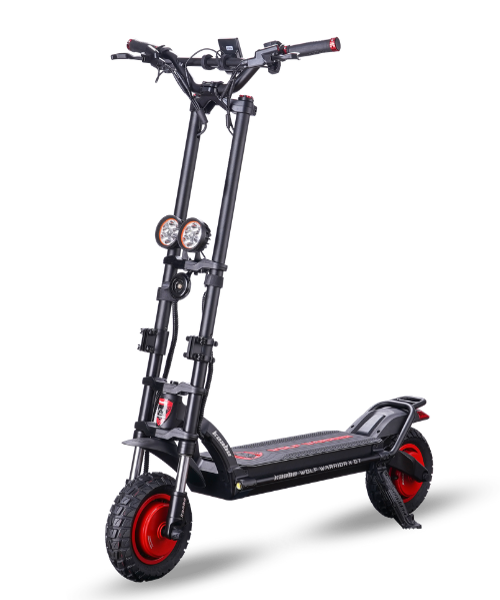
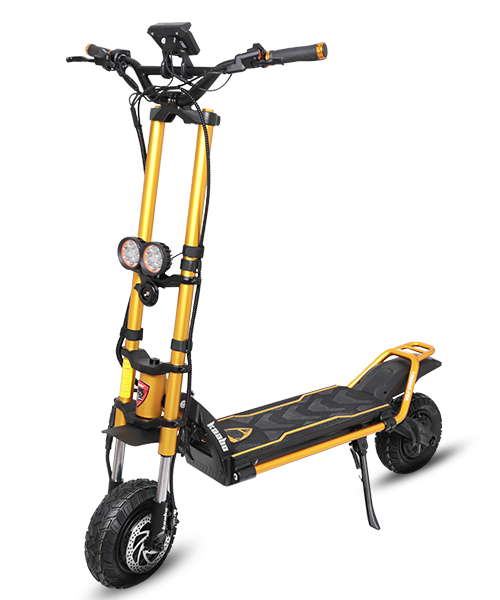
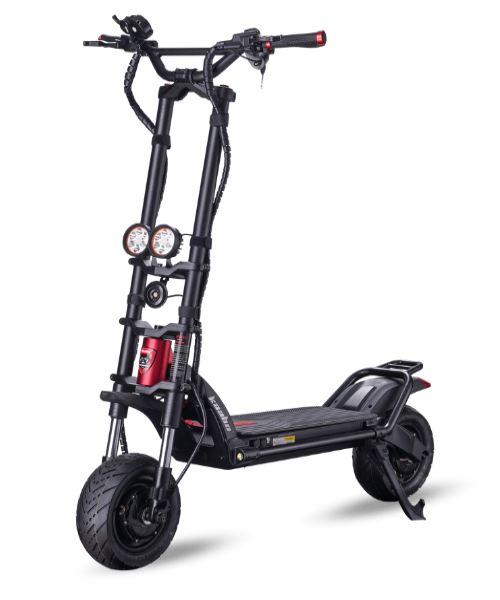
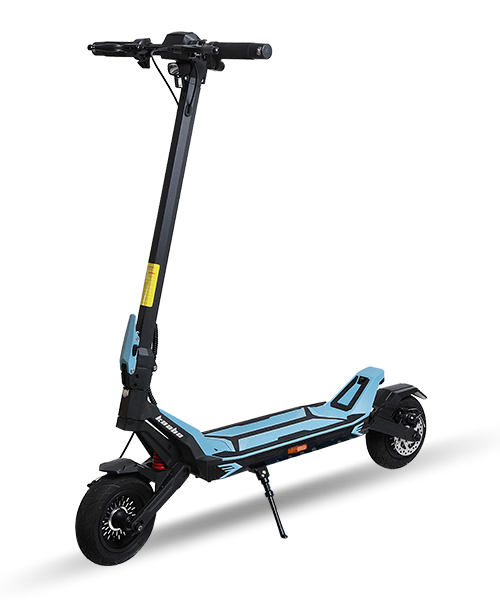
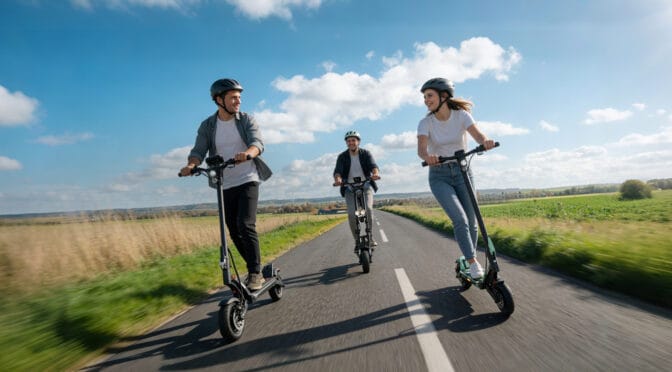
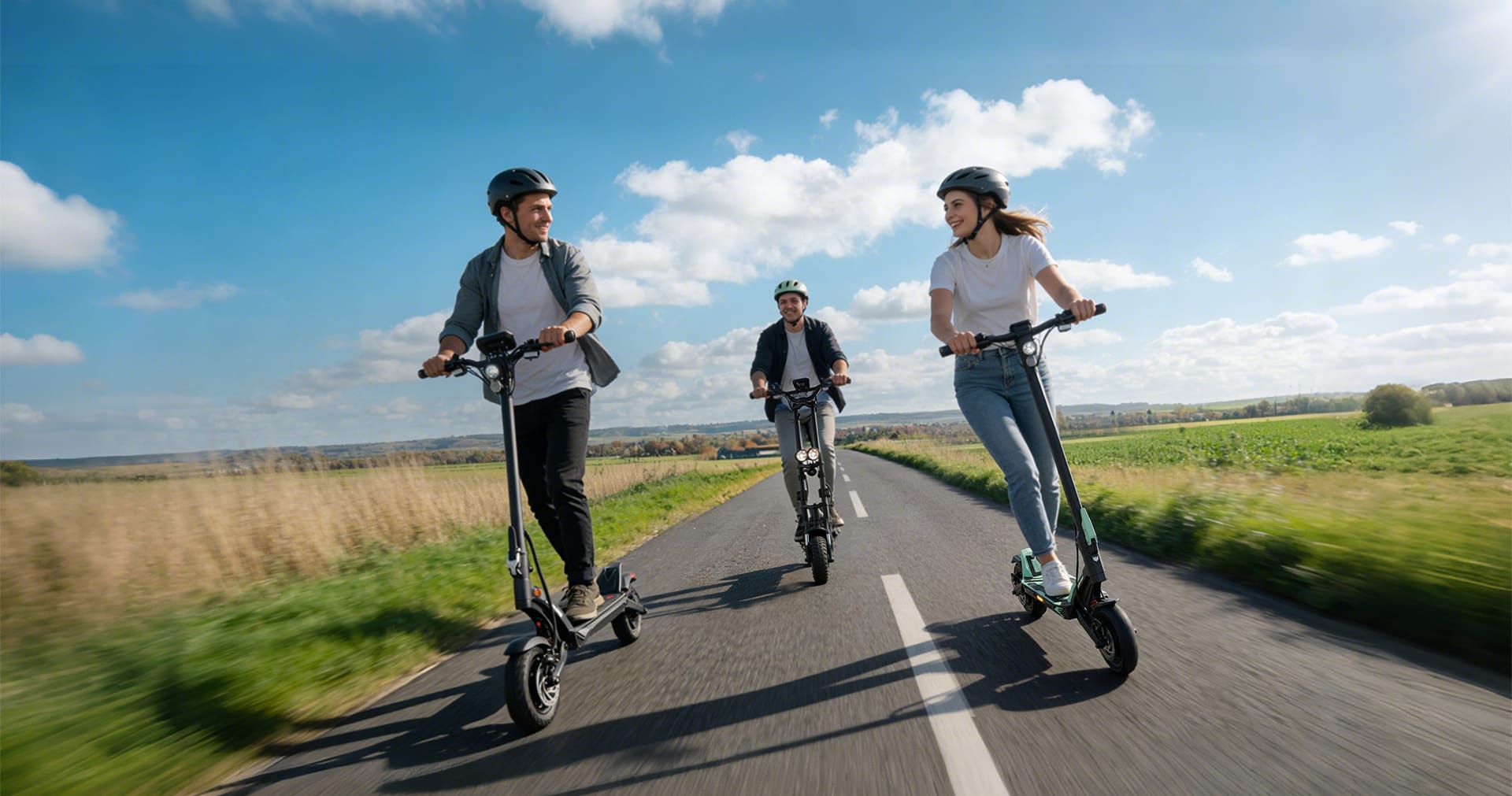
Sustainable Adventures: Exploring Nature on Your Kaabo Scooter

Kaabo Electric Scooter

Sustainable travel is no longer just a trend. It’s a conscious lifestyle choice shaped by rising fuel costs, climate awareness, and a growing desire to reconnect with nature responsibly. For outdoor lovers who want freedom without environmental guilt, the Kaabo Scooter has quietly become a powerful tool for eco-friendly exploration.

Unlike gas-powered vehicles that disrupt natural landscapes with noise and emissions, electric scooters offer a clean, quiet, and efficient way to experience scenic routes, coastal paths, forest trails, and urban greenways. Riding a Kaabo Scooter isn’t just about getting from point A to point B. It’s about how you travel, what you leave behind, and how lightly you move through the world.

In this guide, we’ll explore how Kaabo scooters support sustainable adventures, why they outperform many traditional transport options, and how you can use them responsibly to explore nature while minimizing environmental impact.


Why Sustainable Travel Matters More Than Ever

Transportation is responsible for nearly 25% of global CO₂ emissions, according to data from the International Energy Agency. Private cars remain one of the biggest contributors, especially for short trips that could easily be replaced by electric alternatives.

At the same time, people are traveling locally more than ever. Nature parks, waterfront trails, and scenic suburban routes are seeing increased foot traffic. The challenge is enjoying these spaces without damaging them.

Electric scooters help solve this problem. They produce zero tailpipe emissions, reduce noise pollution, and consume significantly less energy per mile than cars or motorcycles. When powered by renewable electricity, their carbon footprint drops even further.

This is where the Kaabo Scooter stands out. Designed for power, efficiency, and durability, it bridges the gap between eco-conscious transport and true adventure riding.


What Makes the Kaabo Scooter Ideal for Nature Exploration

Not all electric scooters are built for outdoor adventures. Many are designed for smooth city streets and short commutes. A Kaabo Scooter, however, is engineered for performance beyond urban limits.

Power Meets Efficiency

Kaabo scooters use high-capacity lithium batteries and efficient motors that deliver strong torque while maintaining impressive energy efficiency. This allows riders to explore longer routes without frequent recharging, reducing energy waste and range anxiety.

Compared to entry-level scooters, Kaabo models often travel 30–70 miles on a single charge, depending on terrain and riding mode. This range makes them practical for full-day eco adventures rather than short hops.

Quiet Riding Preserves Natural Spaces

One overlooked benefit of electric scooters is sound reduction. Wildlife is highly sensitive to noise, and loud engines disrupt natural behavior patterns. A Kaabo Scooter operates quietly, allowing riders to move through trails and scenic routes without disturbing animals or other visitors.

According to research published by the U.S. National Park Service, noise pollution negatively impacts wildlife communication and visitor experience. Quiet electric mobility helps preserve both.

Built for Mixed Terrain

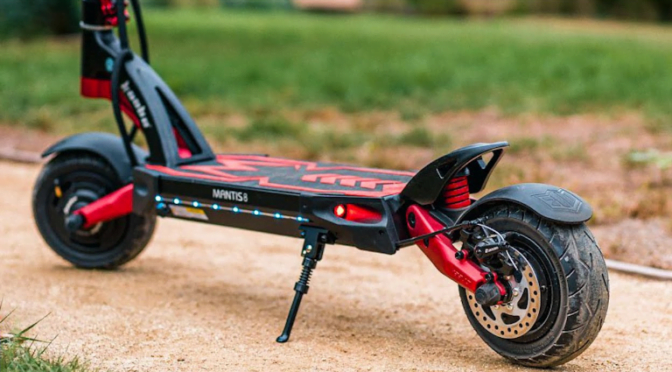
Nature routes are rarely perfect. Gravel paths, uneven pavement, dirt trails, and coastal roads demand stability. Kaabo scooters are equipped with wide pneumatic tires, robust suspension systems, and durable frames, making them suitable for mixed-terrain exploration while remaining energy-efficient.


Environmental Benefits Compared to Traditional Vehicles

To understand the sustainability advantage of a Kaabo Scooter, it helps to compare energy use and emissions.

A standard gasoline car emits roughly 404 grams of CO₂ per mile, according to the U.S. Environmental Protection Agency. In contrast, electric scooters emit zero direct emissions, and even when accounting for electricity generation, their indirect emissions remain dramatically lower.
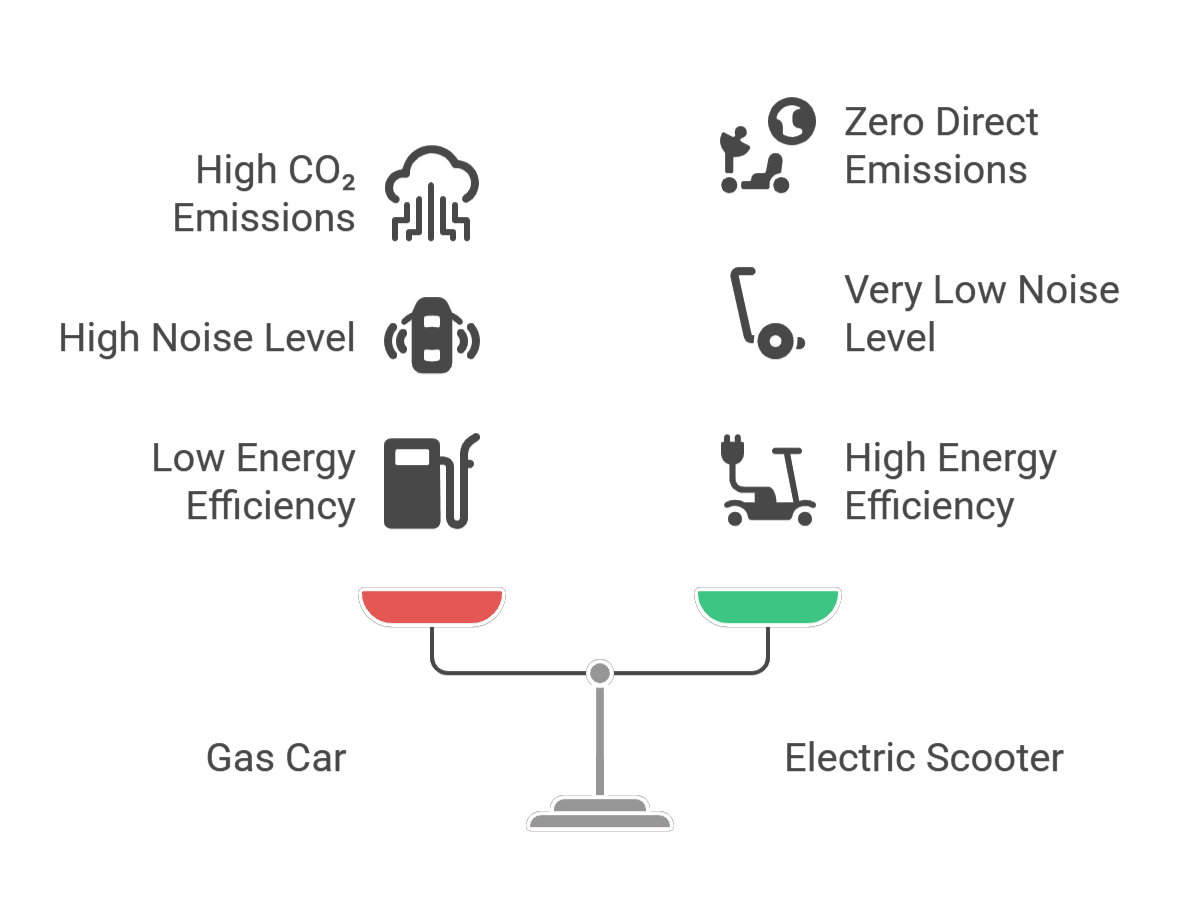
Environmental Benefits Compared to Traditional Vehicles visual selection

Transport Type CO₂ Emissions per Mile Noise Level Energy Efficiency
Gas Car ~404g High Low
Motorcycle ~250g High Moderate
Electric Scooter ~0g direct Very Low High

This comparison highlights why replacing short trips and leisure rides with a Kaabo Scooter can significantly reduce your environmental footprint over time.


Exploring Nature Responsibly on a Kaabo Scooter

Sustainability isn’t just about what you ride. It’s also about how you ride.

Stick to Approved Paths

Many natural areas restrict motorized vehicles to protect ecosystems. Always check local regulations before riding and stay on designated trails or paved paths. Electric scooters are often allowed where cars are not, making them ideal for greenways and park loops.

Use Eco Riding Modes

Most Kaabo models include adjustable riding modes. Eco mode reduces power output, extends battery life, and minimizes energy consumption. For scenic routes, eco mode is often more than enough while keeping your ride environmentally efficient.

Plan Charging Thoughtfully

Charging during off-peak hours or using renewable energy sources reduces your scooter’s indirect carbon footprint. Some riders pair home charging with solar panels, further enhancing sustainability.


How Kaabo Supports Sustainable Mobility

Kaabo isn’t just building scooters. The brand actively contributes to a broader shift toward electric mobility by focusing on durability, repairability, and long product lifespans.

Cheap scooters often end up in landfills within a year. A Kaabo Scooter is designed to last, with replaceable parts, robust frames, and long-term support. Fewer replacements mean fewer resources consumed over time.

You can explore Kaabo’s commitment to innovation and electric mobility directly on their official website at https://www.kaabo.com/, where sustainability and performance go hand in hand.


Urban Green Adventures: Blending City and Nature

One of the biggest advantages of a Kaabo Scooter is its ability to seamlessly transition from city streets to natural escapes. Riders can leave home, pass through bike lanes, and reach waterfront paths or forest edges without switching vehicles.

This flexibility reduces reliance on cars for “last-mile” travel and encourages people to explore local nature spots they might otherwise skip.

According to Bloomberg’s clean transportation analysis, micromobility solutions like electric scooters play a critical role in reducing short-distance car trips, which are among the most inefficient and polluting.


The Future of Sustainable Personal Transport

As cities expand and environmental pressures increase, personal electric vehicles will become essential rather than optional. Governments worldwide are investing in bike lanes, green corridors, and electric infrastructure to support this shift.

The Kaabo Scooter sits at the intersection of adventure, performance, and sustainability, making it a future-proof choice for riders who care about the planet as much as they care about freedom.


Frequently Asked Questions

Is a Kaabo Scooter suitable for long nature rides?

Yes, a Kaabo Scooter is designed with high-capacity batteries and efficient motors, making it ideal for extended rides through scenic and natural routes without frequent recharging.

Can I ride a Kaabo Scooter on trails and park paths?

In many areas, a Kaabo Scooter is allowed on bike paths and designated trails, but riders should always check local regulations to ensure responsible and legal use.

How eco-friendly is a Kaabo Scooter compared to a car?

A Kaabo Scooter produces zero direct emissions and consumes far less energy than a car, making it one of the most environmentally friendly personal transport options available.

Does riding a Kaabo Scooter disturb wildlife?

Because a Kaabo Scooter operates quietly, it causes significantly less disturbance to wildlife than gas-powered vehicles when ridden responsibly.

How can I make my Kaabo Scooter rides more sustainable? 

Using eco mode, sticking to approved paths, and charging with renewable electricity can make every Kaabo Scooter ride even more sustainable.


Where Adventure Meets Responsibility 

Exploring nature doesn’t have to come at the environment’s expense. With a Kaabo Scooter, riders gain the freedom to roam scenic paths, breathe fresh air, and experience the outdoors while keeping their carbon footprint low. It’s proof that adventure and sustainability don’t just coexist—they thrive together.


Electric Scooter 0–30 and 0–40 mph Acceleration Guide: Real Performance Explained

Electric Scooter 0–30 and 0–40 mph Acceleration Guide

When riders compare high-performance scooters, most look at top speed first. But seasoned riders know something more important: acceleration. How quickly a scooter launches from a stop often determines how powerful, responsive, and safe it feels in real traffic.

This detailed electric scooter 0–30 and 0–40 mph acceleration guide explains how acceleration works, what influences it, how to evaluate real-world performance, and why it matters more than a simple top-speed number. If you are considering a premium performance scooter, understanding acceleration will help you make a smarter decision.


Why Acceleration Matters More Than Maximum Speed

Top speed looks impressive on a specification sheet. However, in everyday riding conditions, you rarely stay at maximum speed for long. Urban traffic involves constant stopping and starting, navigating intersections, merging with vehicles, and climbing slopes.

Acceleration determines how quickly your scooter responds when the light turns green or when you need to move out of a tight situation. According to safety research referenced by the U.S. Department of Transportation, reducing the time spent crossing intersections can lower exposure to traffic conflicts. Faster 0–30 mph acceleration reduces hesitation and improves rider confidence.

In real-world riding, acceleration influences safety, efficiency, and overall control more than peak speed.


Understanding 0–30 mph and 0–40 mph Acceleration

In this electric scooter 0–30 and 0–40 mph acceleration guide, these numbers represent the time required to reach a specific speed from a complete stop.

The 0–30 mph measurement is considered the urban benchmark. It reflects how quickly a scooter can match traffic speed in most city environments. The 0–40 mph benchmark, on the other hand, reveals sustained torque and power delivery, especially for dual-motor performance scooters.

A commuter scooter may reach 30 mph in eight to ten seconds. A performance-oriented dual-motor scooter may reach 30 mph in under five seconds and 40 mph in under eight seconds, depending on rider weight and terrain.

These differences are not just numbers. They define how the scooter feels under throttle.


The Physics Behind Electric Scooter Acceleration

Acceleration depends on torque. Torque is the rotational force applied by the motor to the wheel. The greater the torque, the stronger the push forward when the throttle is engaged.

Motor wattage plays a role, but wattage alone does not tell the full story. A well-engineered controller and high-voltage battery system determine how effectively that power is delivered.

Voltage directly affects acceleration response. Higher voltage systems, such as 60V or 72V setups, can supply energy more efficiently than lower voltage systems. According to energy storage analysis published by BloombergNEF, higher voltage configurations reduce current strain and improve sustained power output. In practical terms, that means stronger mid-range pull and more stable 0–40 mph performance.

Controller tuning is another critical factor. Two scooters with identical motor ratings can accelerate very differently if their controllers are programmed differently. Smooth but aggressive power ramp-up provides quick acceleration without jerky throttle response.


Real-World Factors That Change Acceleration

Acceleration numbers are rarely fixed. They change depending on rider weight, battery level, terrain, and even tire pressure.

A lighter rider will experience quicker 0–30 mph times than a heavier rider on the same scooter. Acceleration slows noticeably when the battery drops below 40 percent charge. Wind resistance increases significantly above 30 mph, which is why 0–40 mph always takes longer than 0–30 mph.

Inclines also reduce acceleration speed. Even a moderate uphill slope increases the load on the motor, requiring more torque to maintain the same acceleration curve.

That is why any honest electric scooter 0–30 and 0–40 mph acceleration guide must emphasize testing conditions rather than relying purely on manufacturer claims.


Comparing Entry-Level, Mid-Range, and Performance Scooters

Entry-level single motor scooters typically reach 30 mph in eight to twelve seconds. Many of them are not capable of reaching 40 mph at all.

Mid-range commuter scooters usually reach 30 mph in six to nine seconds. Their 0–40 mph times, if applicable, often exceed twelve seconds.

Dual-motor performance scooters are engineered for torque. These models can reach 30 mph in four to six seconds and 40 mph in seven to nine seconds.

Hyper-performance scooters, including premium dual-motor models found in Kaabo’s high-performance lineup, may reach 30 mph in under four seconds under ideal conditions.

These numbers highlight why understanding acceleration helps distinguish marketing hype from actual performance.


Why 0–30 mph Is the Most Important Metric for City Riders

In most urban environments, traffic speeds fluctuate between 25 and 35 mph. Reaching 30 mph quickly allows riders to integrate safely with surrounding vehicles.

A scooter that struggles to reach 30 mph quickly may feel underpowered in heavy traffic. Conversely, strong 0–30 mph acceleration allows smoother merges and more confident riding.

For daily commuting, 0–30 mph performance is often more important than 0–40 mph capability.


Why 0–40 mph Reveals True Performance Depth

For enthusiasts and experienced riders, 0–40 mph acceleration reveals whether a scooter maintains power beyond the initial launch.

Some scooters feel quick off the line but lose momentum after 30 mph. Others maintain strong torque throughout the entire speed range. Sustained pull from 30 to 40 mph indicates a robust controller, efficient battery discharge rate, and well-balanced motor output.

When evaluating performance models on www.kaabo.com/, examining both acceleration benchmarks provides a clearer understanding of real capability.


Safety Considerations When Evaluating Fast Acceleration

Stronger acceleration requires stronger control systems. Rapid 0–40 mph times must be supported by high-quality braking, suspension, and frame design.

Hydraulic disc brakes provide consistent stopping power at higher speeds. Reinforced frames prevent flex under heavy torque. Advanced suspension systems maintain tire contact with the road during aggressive launches.

The National Highway Traffic Safety Administration emphasizes that braking efficiency and stability are critical safety factors in high-speed mobility devices. Acceleration without proper braking support creates an imbalance.

Performance scooters must be engineered as a complete system rather than simply focusing on speed numbers.


Measuring Acceleration Accurately

To measure acceleration yourself, testing conditions must be controlled. Flat pavement is essential. Battery charge should remain above 80 percent. Multiple test runs should be performed to account for variations.

Using GPS-based speed tracking apps provides more reliable results than dashboard displays alone. Averaging several test runs ensures more accurate data.

Reliable measurement gives a clearer perspective than relying on promotional claims.


Is Faster Acceleration Always Better?

Not necessarily. Extremely aggressive acceleration may feel thrilling but can reduce ride comfort for daily commuting.

Smooth, predictable acceleration often provides better control in crowded urban settings. Riders who prioritize comfort may prefer slightly moderated torque delivery.

Performance enthusiasts, however, often seek stronger launch power for thrill and rapid responsiveness.

Choosing the right acceleration profile depends on your riding environment and experience level.


Making a Smart Decision

Before choosing a scooter, consider where you ride most often. Urban commuting prioritizes consistent 0–30 mph performance. Long open-road rides may benefit from strong 0–40 mph capability.

Battery voltage, motor configuration, and controller tuning should be evaluated together. Real-world testing reviews can provide additional clarity.

When comparing premium models, understanding the technical foundation behind acceleration helps you avoid focusing only on headline speed numbers.


Frequently Asked Questions

What is considered fast acceleration for a performance scooter?
In this electric scooter 0–30 and 0–40 mph acceleration guide, a strong benchmark for performance scooters is reaching 30 mph in under five seconds and 40 mph in under eight seconds under ideal conditions.

Does battery voltage really affect acceleration?
Yes. Higher voltage systems deliver power more efficiently, which directly improves results discussed in this electric scooter 0–30 and 0–40 mph acceleration guide.

Why does acceleration slow down after 30 mph?
Wind resistance increases exponentially at higher speeds, which is why the second phase of this electric scooter 0–30 and 0–40 mph acceleration guide typically shows slower gains between 30 and 40 mph.

Are dual motors necessary for fast acceleration?
Dual motors significantly improve torque delivery, making them central to performance comparisons in this electric scooter 0–30 and 0–40 mph acceleration guide.

Can rider weight change acceleration times?
Yes. Heavier riders increase load on the motor, affecting the results described in this electric scooter 0–30 and 0–40 mph acceleration guide.


Acceleration Defines the Ride

True performance is not just about maximum mph. It is about how quickly and confidently a scooter responds when you twist the throttle.

This electric scooter 0–30 and 0–40 mph acceleration guide shows that torque, voltage, controller tuning, and overall engineering determine real-world performance. When evaluating your next scooter, prioritize acceleration consistency, stability, and braking balance.

Speed attracts attention. Acceleration defines experience.

Best Off Road Electric Scooter for Extreme Performance: Why the Wolf Series Dominates the Market

best off road electric scooter

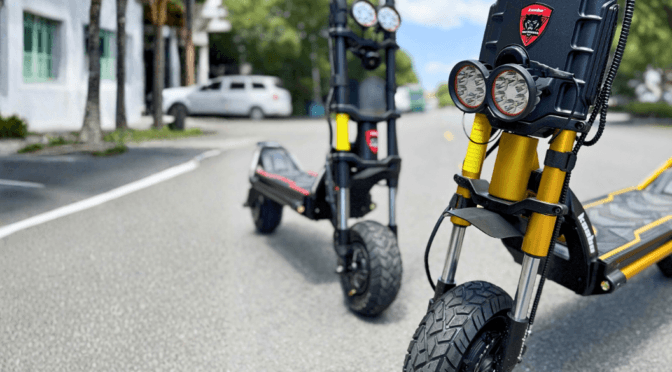
When riders search for the best off road electric scooter for extreme terrain, one name consistently rises above the rest—the Wolf Series. Built for power, durability, and real-world off-road performance, these machines are not just scooters; they are engineered for adventure.

Whether you’re riding on rocky trails, muddy paths, or steep hills, choosing the right off road electric scooter can make all the difference. In this guide, we’ll break down why the Wolf Series—especially the Wolf Warrior X and Wolf Warrior 11—continues to dominate the market and what makes them stand out from competitors.


Why Off Road Electric Scooters Are Gaining Popularity

The demand for off road electric scooters has skyrocketed in recent years. According to research published by the International Energy Agency, micromobility solutions like e-scooters are expected to grow significantly due to urban congestion and eco-friendly transportation trends.

But not all scooters are built equally.

Urban scooters may work on smooth roads, but when it comes to rough terrain, you need something stronger—something designed for performance, safety, and durability. That’s where high-performance models like the Wolf Series come in.


What Defines a High-Performance Off Road Electric Scooter

Before diving into the Wolf Series, it’s important to understand what truly defines a powerful off road electric scooter.

1. Dual Motor Power

A true off-road machine requires a dual motor scooter setup. Single motors struggle on inclines and loose terrain, while dual motors deliver balanced power to both wheels.

2. Advanced Suspension System

A high-quality off road scooter suspension is essential. Without proper shock absorption, rough terrain becomes uncomfortable and even dangerous.

3. Strong Frame & Build Quality

Off-road riding demands durability. Aluminum alloy frames and reinforced structures are necessary to withstand impact and vibration.

4. Long Battery Range

Adventure riding means longer distances. A powerful battery ensures you can explore without worrying about frequent charging.

5. High Climbing Capability

Steep hills are common off-road. A good scooter should handle at least 30–45° inclines.


Meet the Wolf Series: Built for Extreme Terrain

The Wolf Series has earned its reputation by consistently delivering performance where other scooters fail.

Wolf Warrior X – Compact Powerhouse

The Wolf Warrior X is designed for riders who want performance without sacrificing portability.

It features dual 1100W motors, reaching speeds up to 70 km/h, making it a serious contender in the off road electric scooter category. Despite its compact size, it offers impressive range and torque.

What truly sets it apart is its hydraulic suspension system, which absorbs shocks effortlessly. Whether you’re riding over gravel or uneven trails, the ride remains smooth and controlled.

Its forged aluminum frame ensures durability, while the foldable design makes it easier to transport compared to bulkier models.


Wolf Warrior 11 – The Ultimate Off-Road Beast

For riders who want maximum performance, the Wolf Warrior 11 is a game changer.

With dual 1500W motors and a top speed of 80 km/h, it’s built for extreme riders who demand power. Its massive battery delivers up to 150 km range, making it ideal for long-distance adventures.

The off road scooter suspension system is where this model truly shines. The hydraulic front fork and rear spring suspension provide unmatched stability, even on the roughest terrains.

It also boasts a climbing angle of up to 45°, meaning steep hills are no challenge at all.


Wolf Warrior X vs Wolf Warrior 11: A Detailed Comparison

Feature Wolf Warrior X Wolf Warrior 11
Motor Power 1100W x2 1500W x2
Top Speed 70 km/h 80 km/h
Max Range Up to 110 km Up to 150 km
Battery 60V 28.8Ah 60V 35Ah
Suspension Hydraulic + Spring Advanced Hydraulic
Climbing Angle 35° 45°
Weight ~38 kg ~47 kg

The table clearly shows that both models are exceptional, but they serve slightly different riders.

If you want a more portable yet powerful off road electric scooter, go with the Wolf Warrior X. If you want maximum power and range, the Wolf Warrior 11 is unbeatable.


Why the Wolf Series Dominates the Off-Road Market

1. Superior Suspension Technology

The Wolf Series uses advanced hydraulic suspension systems that outperform standard spring-based setups. This ensures better control, reduced fatigue, and safer rides.

2. True Dual Motor Performance

Many scooters claim power, but the Wolf Series delivers real torque. The dual motor scooter setup provides consistent acceleration and better traction on loose surfaces.

3. Long-Lasting Battery Systems

Equipped with LG/Samsung battery cells, these scooters offer reliability and extended range. According to battery research from Battery University, high-quality lithium-ion cells significantly improve lifespan and performance.

4. Built for Durability

The use of aerospace-grade aluminum alloys ensures these scooters can withstand harsh conditions without compromising structural integrity.

5. Real-World Rider Approval

Online reviews consistently rank the Wolf Warrior 11 as one of the best off-road scooters available. Many riders describe it as a “beast” capable of handling any terrain.


Real-World Performance: What Riders Experience

Riders who switch to a Wolf Series off road electric scooter often notice immediate differences:

The acceleration feels stronger, especially on hills. The ride becomes smoother due to the advanced suspension. Most importantly, confidence increases because the scooter feels stable even at high speeds.

These factors combine to create an unmatched riding experience.


Are Off Road Electric Scooters Worth It?

If your riding includes trails, uneven roads, or steep climbs, investing in a high-quality off road electric scooter is absolutely worth it.

Compared to traditional scooters, off-road models offer:

  • Better safety
  • Greater durability
  • Higher performance
  • More versatility

In the long run, they provide better value because they can handle more conditions without wear and tear.


How to Choose the Right Off Road Electric Scooter

Choosing the right model depends on your needs.

If you prioritize portability and still want strong performance, the Wolf Warrior X is a smart choice.

If your goal is maximum power, long-range riding, and extreme terrain capability, the Wolf Warrior 11 is the better option.

Either way, both models deliver exceptional value in the off road electric scooter market.


Frequently Asked Questions

1. What makes an off road electric scooter different from regular scooters?

An off road electric scooter is built with stronger motors, better suspension, and durable frames to handle rough terrain, unlike regular scooters designed for smooth roads.

2. Is a dual motor scooter necessary for off-road riding?

Yes, a dual motor scooter provides better traction, improved climbing ability, and stronger acceleration, making it ideal for off-road conditions.

3. How important is suspension in an off road electric scooter?

The off road scooter suspension is crucial because it absorbs shocks and ensures a smoother, safer ride on uneven terrain.

4. Which is better: Wolf Warrior X or Wolf Warrior 11?

Both are excellent off road electric scooters, but the Wolf Warrior X is more compact, while the Wolf Warrior 11 offers more power and range.

5. How long does an off road electric scooter battery last?

A high-quality off road electric scooter like the Wolf Series can last several years with proper care, thanks to premium lithium-ion batteries.


Ready to Conquer Any Terrain? The Wolf Series Leads the Pack

When it comes to choosing the best off road electric scooter, the decision becomes clear. The Wolf Series combines power, durability, and advanced engineering in a way few competitors can match.

Whether you choose the compact strength of the Wolf Warrior X or the unstoppable power of the Wolf Warrior 11, you’re investing in performance that dominates every terrain.

The Evolution of High-Performance Electric Scooters: From Basic Ride to Ultimate Power Machines

high performance electric scooter

Electric scooters have come a long way from being simple urban commuting tools to becoming power-packed machines designed for speed, durability, and advanced riding experiences. Today, the high performance electric scooter category represents the pinnacle of innovation in micro-mobility, combining cutting-edge engineering with rider-focused design.

In this in-depth guide, we’ll explore how the high performance electric scooter evolved, what defines modern powerful scooters, and how brands like Kaabo are shaping the future with models like the Wolf King GTR and Wolf King GT.


The Early Days of Electric Scooters

The concept of electric scooters started gaining popularity in the early 2000s. Back then, these scooters were designed primarily for short-distance commuting. They featured:

  • Low-powered motors (250W–500W)
  • Limited speed (15–25 km/h)
  • Basic battery technology
  • Minimal suspension

These early models served a purpose, but they lacked the performance capabilities that riders crave today. The idea of a high performance electric scooter was still far from reality.


The Rise of High Performance Electric Scooters

As urban mobility needs grew and technology advanced, manufacturers began pushing boundaries. The introduction of high performance electric scooter models changed everything.

Today’s powerful scooters are defined by:

  • Dual motor systems exceeding 2000W
  • Top speeds over 80 km/h
  • Advanced suspension systems
  • Long-range lithium-ion batteries
  • Smart digital displays and ride modes

According to data from BloombergNEF’s electric vehicle outlook, the global shift toward electric mobility has accelerated innovation across all EV categories, including scooters. This has directly influenced the development of electric scooter technology, making modern scooters faster, safer, and more efficient.


Key Milestones in Electric Scooter Technology

1. Battery Innovation

Battery technology has been one of the biggest drivers of change. Early scooters used lead-acid batteries, which were heavy and inefficient. Modern high performance electric scooter models now use lithium-ion batteries that offer:

  • Higher energy density
  • Faster charging
  • Longer lifespan

For example, advanced scooters can now travel over 100 km on a single charge—something unimaginable a decade ago.


2. Motor Power and Speed

The shift from single to dual motor systems revolutionized performance. A modern high performance electric scooter often features:

  • Dual motors delivering 3000W–8000W combined power
  • Rapid acceleration similar to motorcycles
  • Enhanced hill-climbing ability

This transformation has made scooters viable not just for commuting but also for adventure and off-road riding.


3. Suspension and Ride Comfort

Early scooters lacked proper suspension, leading to uncomfortable rides. Today’s powerful scooters include:

  • Hydraulic or spring suspension systems
  • Adjustable shock absorbers
  • Off-road-ready tire designs

These improvements allow riders to enjoy stability and comfort even at high speeds.


4. Smart Features and Connectivity

Modern electric scooter technology includes:

  • LCD or TFT displays
  • Mobile app integration
  • Ride analytics and diagnostics
  • Multiple riding modes

These features enhance user control and overall riding experience, making the high performance electric scooter smarter than ever.


Comparing Early vs Modern High Performance Electric Scooters

Feature Early Scooters Modern High Performance Electric Scooter
Motor Power 250W–500W 2000W–8000W+
Top Speed 20–25 km/h 70–100 km/h
Range 10–20 km 80–150 km
Suspension Basic or none Advanced hydraulic systems
Battery Lead-acid Lithium-ion
Smart Features None App integration, displays

This comparison clearly shows how dramatically the high performance electric scooter category has evolved.


The Role of Kaabo in Shaping Powerful Scooters

When discussing the evolution of powerful scooters, it’s impossible to ignore Kaabo. The brand has consistently pushed the limits of performance and durability.

Wolf King GT – A Benchmark in Performance

The Wolf King GT is one of the most recognized models in the high performance electric scooter category. It offers:

  • Dual motors with extreme torque
  • High-speed capability
  • Robust build quality for off-road riding

You can explore the full specifications here:
Wolf King GT
https://www.kaabo.com/wolf-king-gt/

This model set a new benchmark for what riders expect from a high performance electric scooter.


Wolf King GTR – The Next Evolution

Taking things even further, the Wolf King GTR represents the next step in innovation. It combines raw power with refined engineering to deliver a superior riding experience.

Learn more here:
Wolf King GTR
https://www.kaabo.com/wolf-king-gtr/

This model showcases how far electric scooter technology has progressed, offering unmatched performance, stability, and control.


Why High Performance Electric Scooters Are Gaining Popularity

The demand for high performance electric scooter models is growing rapidly, and there are several reasons behind this trend.

Urban Mobility Needs

Cities are becoming more congested, and people need faster, more flexible transportation options. High-performance scooters provide:

  • Faster commute times
  • Easy maneuverability
  • Lower environmental impact

Sustainability and Eco-Friendly Transport

According to the International Energy Agency (IEA), electric mobility plays a crucial role in reducing global emissions. High-performance scooters contribute by offering:

  • Zero tailpipe emissions
  • Reduced reliance on fossil fuels

Thrill and Performance

For many riders, a high performance electric scooter is not just a commuting tool—it’s an experience. The combination of speed, power, and control creates a unique riding thrill that traditional scooters cannot match.


Safety Innovations in High Performance Electric Scooters

With increased speed comes the need for better safety features. Modern high performance electric scooter models now include:

  • Hydraulic braking systems
  • Anti-lock braking (ABS) in some models
  • Bright LED lighting systems
  • Reinforced frames

These advancements ensure that riders can enjoy power without compromising safety.


What to Look for in a High Performance Electric Scooter

Choosing the right scooter requires careful consideration. Key factors include:

Power and Speed

Look for dual motor setups if you want true performance. A genuine high performance electric scooter should deliver strong acceleration and high top speed.


Battery Range

Range is critical for long rides. High-end scooters now offer ranges exceeding 100 km.


Build Quality

Durability is essential, especially for off-road use. Premium models like the Wolf King series are built with reinforced frames and high-quality materials.


Suspension System

A good suspension system ensures comfort and stability, especially at high speeds.


The Future of High Performance Electric Scooters

The evolution is far from over. The next generation of high performance electric scooter models will likely feature:

  • Solid-state batteries for longer range
  • AI-based ride assistance
  • Advanced safety systems
  • Lighter yet stronger materials

As electric scooter technology continues to improve, we can expect even more powerful, efficient, and intelligent scooters.


Frequently Asked Questions (FAQs)

1. What is a high performance electric scooter?

A high performance electric scooter is a powerful scooter designed for high speed, long range, and advanced riding capabilities, often featuring dual motors and premium components.


2. Are high performance electric scooters safe?

Yes, a high performance electric scooter is safe when equipped with proper safety features like hydraulic brakes, strong frames, and when ridden responsibly.


3. How fast can a high performance electric scooter go?

A high performance electric scooter can reach speeds between 60 km/h and 100 km/h, depending on the model and specifications.


4. What makes the Wolf King GTR a high performance electric scooter?

The Wolf King GTR qualifies as a high performance electric scooter due to its powerful dual motors, long-range battery, and advanced suspension system.


5. Is a high performance electric scooter good for daily commuting?

Yes, a high performance electric scooter can be used for daily commuting, especially for longer distances, thanks to its speed and range.


From Simple Commutes to Power-Packed Adventures

The journey of the high performance electric scooter is a story of rapid innovation and growing demand. What started as a simple commuting tool has evolved into a powerful, versatile machine capable of transforming how we move.

With advancements in electric scooter technology and the rise of powerful scooters like the Wolf King GTR and Wolf King GT, the future looks incredibly exciting. Whether you’re commuting through the city or exploring off-road trails, the modern high performance electric scooter offers an unmatched combination of performance, convenience, and sustainability.

Electric Scooter Safety Tips Every Rider Should Know for Safer Rides

Electric Scooter Safety Tips

Electric scooters have rapidly become one of the most popular ways to travel short distances in cities. They are convenient, eco-friendly, and often faster than traditional commuting options in crowded urban areas. However, with their growing popularity comes an increased need for rider awareness and responsibility. That is why understanding Electric Scooter Safety Tips is essential for both beginners and experienced riders.

According to research published by the National Highway Traffic Safety Administration (https://www.nhtsa.gov), the number of micromobility vehicles on the road has increased dramatically in recent years. As more riders adopt electric scooters, learning how to ride safely becomes crucial to preventing accidents and injuries.

Whether you ride occasionally for fun or commute daily, following the right Electric Scooter Safety Tips can help you stay protected, improve riding confidence, and ensure a safer experience on every trip.


Why Electric Scooter Safety Matters More Than Ever

Electric scooters are designed to be lightweight, portable, and powerful. While these features make them convenient, they also mean riders are more exposed compared to those driving cars or motorcycles.

A study from CDC micromobility injury research (https://www.cdc.gov/transportationsafety/micromobility/index.html) reports that nearly 45% of electric scooter injuries involve head trauma, emphasizing the importance of helmets and safe riding habits.

Modern scooters—especially high-performance models available from Kaabo Electric Scooters —can reach impressive speeds and travel long distances. With greater performance comes greater responsibility, which is why riders must understand proper Electric Scooter Safety Tips before riding regularly.


Essential Electric Scooter Safety Tips for Beginners and Daily Riders

Safety is not just about avoiding accidents—it’s about developing good riding habits. These Electric Scooter Safety Tips help riders stay aware, prepared, and protected.


Wear Proper Protective Gear Every Time You Ride

The most basic yet important rule is to always wear safety gear.

A well-fitted helmet significantly reduces the risk of head injuries. Even short rides can become dangerous if unexpected obstacles appear.

Many experienced riders also choose additional protection such as gloves, knee pads, and elbow guards. These accessories provide extra protection during sudden stops or minor falls.

Safety Gear Purpose Recommended For
Helmet Protects against head injuries All riders
Gloves Improves grip and protects hands Commuters
Knee Pads Reduces injury risk in falls Beginners
Reflective Gear Improves night visibility Night riders

Wearing proper gear remains one of the most effective Electric Scooter Safety Tips for reducing injury risk.


Learn Your Scooter Before Riding in Traffic

Every electric scooter behaves differently depending on its motor power, weight, and braking system.

Before riding on busy streets, spend time practicing in a safe area like an empty parking lot or quiet neighborhood road. Learning how your scooter accelerates and brakes will help you react better in real traffic situations.

For example, high-performance scooters like the Wolf King GT electric scooter (https://www.kaabo.com/products/wolf-king-gt) offer powerful acceleration and advanced braking systems. Riders should become familiar with these features before using them in crowded environments.

Understanding your scooter’s behavior is one of the most overlooked Electric Scooter Safety Tips, yet it plays a major role in accident prevention.


Check Your Scooter Before Every Ride

A quick inspection before riding can prevent many mechanical problems.

Riders should check:

  • Tire pressure and condition

  • Brake response

  • Battery level

  • Headlights and tail lights

  • Folding mechanism stability

Regular maintenance also improves the lifespan of your scooter. Riders can find helpful resources and maintenance advice in guides about electric scooter riding tips and maintenance (https://www.kaabo.com/blogs/news).

Preventive maintenance is an essential part of responsible riding and a key element of Electric Scooter Safety Tips.


Control Your Speed Based on the Environment

Many modern scooters are capable of high speeds, but riding fast in crowded areas increases the risk of accidents.

Different environments require different speeds.

Riding Environment Safe Speed Range
Busy sidewalks 6–10 mph
Bike lanes 15–20 mph
Open roads 20–25 mph

Maintaining a safe speed is one of the most important Electric Scooter Safety Tips, especially for new riders who are still developing balance and control.


Stay Visible to Drivers and Pedestrians

Visibility is a major factor in preventing collisions.

Electric scooter riders are smaller and less noticeable than cars or motorcycles. To improve visibility, riders should use bright front and rear lights and wear reflective clothing during night rides.

According to the Insurance Institute for Highway Safety (https://www.iihs.org), improving rider visibility can reduce collision risks significantly in low-light conditions.

Among all Electric Scooter Safety Tips, increasing visibility is one of the simplest yet most effective safety measures.


Follow Local Traffic Rules

Electric scooters are considered part of the micromobility ecosystem, which means riders should follow traffic laws similar to cyclists.

Typical rules include:

  • Riding in designated bike lanes

  • Yielding to pedestrians

  • Obeying traffic signals

  • Avoiding crowded sidewalks

Following these regulations helps maintain safer roads and ensures responsible use of electric scooters. Respecting local laws is one of the most important Electric Scooter Safety Tips for long-term rider safety.


Avoid Riding in Bad Weather

Rain, snow, and icy conditions can make electric scooter riding extremely dangerous.

Wet roads reduce tire traction and increase braking distance. In addition, visibility becomes worse for both riders and drivers.

If riding in light rain is unavoidable, reduce speed and apply brakes gradually. However, most experts recommend avoiding poor weather conditions whenever possible.

Weather awareness remains one of the most practical Electric Scooter Safety Tips for preventing accidents.


Keep Both Hands on the Handlebars

Riding with one hand may seem convenient, especially when checking a phone or carrying an item, but it significantly reduces control.

Keeping both hands on the handlebars ensures better balance and faster reaction time if obstacles appear suddenly.

Maintaining full control of the scooter is one of the simplest yet most effective Electric Scooter Safety Tips every rider should follow.


Practice Proper Braking Techniques

Smooth braking helps prevent sudden falls and improves overall riding control.

Most electric scooters combine electronic braking with mechanical disc brakes. Riders should apply brakes gradually instead of stopping abruptly.

Good braking technique includes shifting your weight slightly backward and keeping your knees bent for balance.

Learning how to brake safely is one of the most advanced yet essential Electric Scooter Safety Tips.


Common Electric Scooter Riding Mistakes

Even experienced riders sometimes develop risky habits. Common mistakes include riding without helmets, ignoring battery warnings, and speeding in crowded areas.

Another frequent issue is overconfidence when using high-performance scooters. Riders may underestimate acceleration and braking distance.

Avoiding these habits is just as important as following standard Electric Scooter Safety Tips.


How Modern Technology Improves Electric Scooter Safety

Electric scooter technology has improved significantly in recent years. Manufacturers are integrating advanced safety features to protect riders.

Some modern improvements include:

  • Advanced suspension systems for stability

  • Dual braking mechanisms

  • Bright LED lighting systems

  • Smart battery management technology

Brands like Kaabo Electric Scooters (https://www.kaabo.com/) continue to develop innovative scooters designed for performance, durability, and rider safety.

While technology enhances protection, riders must still follow essential Electric Scooter Safety Tips for the best results.


Frequently Asked Questions

What are the most important Electric Scooter Safety Tips for beginners?

The most important Electric Scooter Safety Tips for beginners include wearing a helmet, practicing in a safe area before riding in traffic, and maintaining a controlled speed.


Are electric scooters safe for daily commuting?

Yes, electric scooters can be safe for commuting when riders follow proper Electric Scooter Safety Tips, maintain their scooters regularly, and obey traffic regulations.


Do I need to wear a helmet when riding an electric scooter?

Yes. Wearing a helmet is one of the most essential Electric Scooter Safety Tips because it significantly reduces the risk of serious head injuries.


What speed is safe for riding an electric scooter?

A safe speed depends on the environment. According to common Electric Scooter Safety Tips, riders should slow down in crowded areas and ride faster only on open roads or bike lanes.


Can electric scooters be used in rainy weather?

Although some scooters are water-resistant, most Electric Scooter Safety Tips recommend avoiding heavy rain because wet surfaces reduce traction and increase accident risk.


Ride Smart and Stay Safe on Every Journey

Electric scooters offer freedom, convenience, and an exciting way to travel. But with that freedom comes responsibility. By following the right Electric Scooter Safety Tips, riders can significantly reduce the chances of accidents and enjoy smoother, safer rides.

Simple habits such as wearing protective gear, controlling speed, maintaining your scooter, and staying visible can make a huge difference. As electric mobility continues to grow, responsible riding will help ensure safer roads for everyone.

Whether you ride for commuting or recreation, remembering these Electric Scooter Safety Tips will help you ride confidently and safely every time.

Electric Scooter vs E-Bike for Daily Commuting: Which One Is Right for You?

spring riding

Urban transportation is changing rapidly. Rising fuel costs, traffic congestion, and environmental concerns are pushing more people toward electric mobility solutions. Two of the most popular choices today are electric scooters and electric bikes.

If you’re trying to decide between them, understanding the Electric Scooter vs E-Bike debate can help you choose the option that fits your lifestyle, commuting distance, and riding preferences.

Both vehicles offer eco-friendly transportation and are much more affordable than cars or motorcycles. However, they serve slightly different needs. Some riders prefer the agility and portability of electric scooters, while others enjoy the comfort and range of electric bikes.

This guide will explore the Electric Scooter vs E-Bike comparison in depth—covering cost, performance, convenience, maintenance, and ideal use cases—so you can confidently choose the right ride.


Understanding Electric Scooters

Electric scooters are lightweight, standing vehicles powered by rechargeable batteries and electric motors. They are designed primarily for urban commuting and short-to-medium distance travel.

Most modern scooters offer strong performance, long range, and advanced suspension systems. Premium models such as those from Kaabo electric scooters are designed with powerful dual motors, large batteries, and rugged build quality suitable for both city streets and off-road riding.

One of the biggest advantages of electric scooters is their portability. Many models fold quickly, allowing riders to carry them onto public transportation, into offices, or into apartments.

Electric scooters also have a shorter learning curve. Riders simply step onto the deck, control the throttle, and maintain balance. Within minutes, most people can ride comfortably.


Understanding E-Bikes

Electric bikes, or e-bikes, are bicycles equipped with an electric motor and battery that assist the rider while pedaling. They still function like traditional bikes but offer additional power when needed.

E-bikes come in several categories including commuter bikes, mountain bikes, and cargo bikes. Riders can choose between pedal-assist systems or throttle-controlled motors depending on the model.

Because they require pedaling, e-bikes offer the added benefit of exercise while still making long rides easier. This makes them particularly popular among commuters who want to stay active while traveling.

According to research published by the International Energy Agency’s electric mobility reports, e-bike adoption has increased significantly worldwide, particularly in cities aiming to reduce car traffic and emissions.


Electric Scooter vs E-Bike: Key Differences

To truly understand the Electric Scooter vs E-Bike comparison, it helps to examine several important factors side by side.

Feature Electric Scooter E-Bike
Riding Position Standing Sitting
Portability Highly portable and foldable Less portable
Exercise Minimal physical effort Requires pedaling
Storage Easy to store indoors Requires more space
Average Range 20–60 miles depending on battery 30–80 miles
Learning Curve Very easy Slightly more complex

Both options are practical, but your choice depends largely on your commuting habits and riding style.


Electric Scooter vs E-Bike: Cost Comparison

When considering the Electric Scooter vs E-Bike decision, price often becomes a major factor.

Electric scooters generally have a lower entry cost. Many reliable commuter models range between $600 and $1500, while premium high-performance scooters can exceed $3000.

E-bikes tend to be more expensive because of their larger frames, complex components, and bigger batteries. Most quality e-bikes range from $1200 to $4000.

Maintenance costs also differ. Scooters typically require fewer mechanical adjustments because they have fewer moving parts. E-bikes, on the other hand, include traditional bicycle components such as chains, gears, and derailleurs that require periodic servicing.

For budget-conscious riders, electric scooters often present the more economical option.


Performance and Speed

Performance is another important aspect when comparing Electric Scooter vs E-Bike options.

Many commuter scooters travel at speeds between 20 and 30 mph, while high-performance models can reach speeds above 40 mph.

Electric bikes typically reach speeds between 20 and 28 mph depending on their classification and motor limitations.

However, e-bikes usually provide longer range due to larger battery capacity and the assistance from pedaling. Riders can extend their travel distance significantly by contributing human power.

Scooters rely entirely on battery power, so their range depends heavily on battery size, terrain, and rider weight.


Comfort and Riding Experience

Comfort plays a major role in the Electric Scooter vs E-Bike decision.

E-bikes naturally offer more comfort because riders sit on a saddle and can ride longer distances without fatigue. This makes them suitable for extended commuting or recreational rides.

Electric scooters require standing, which some riders find tiring during long trips. However, many premium scooters feature advanced suspension systems and wide decks that significantly improve comfort.

For short urban rides, scooters remain extremely convenient. For longer travel distances, e-bikes may provide a smoother overall experience.


Storage and Portability

Portability is one area where electric scooters clearly excel in the Electric Scooter vs E-Bike comparison.

Most scooters can fold within seconds and fit into tight spaces such as car trunks, closets, or office corners. This makes them ideal for commuters who combine riding with trains or buses.

E-bikes are much larger and heavier. Even folding models remain bulkier than scooters, making them less convenient for small apartments or mixed transportation routes.

For riders who need flexibility and compact storage, scooters offer a clear advantage.


Environmental Impact

Both vehicles are environmentally friendly compared with gasoline vehicles.

According to research from BloombergNEF electric transport studies, electric micromobility solutions significantly reduce carbon emissions in urban environments.

In the Electric Scooter vs E-Bike debate, the environmental impact is very similar. Both rely on rechargeable batteries and produce zero direct emissions.

However, e-bikes may have a slight advantage because riders contribute human energy, reducing overall electricity consumption.


Safety Considerations

Safety should always be part of the Electric Scooter vs E-Bike conversation.

Electric scooters typically have smaller wheels, which can make them more sensitive to road conditions such as potholes or rough pavement.

E-bikes usually feature larger wheels and stronger braking systems, which can improve stability.

Regardless of your choice, riders should always wear protective gear and follow local traffic regulations.

Helpful safety guidance can be found through resources like the U.S. Consumer Product Safety Commission micromobility safety guidelines.


Best Use Cases for Electric Scooters

Electric scooters shine in specific commuting situations.

They are perfect for short city rides, quick errands, and daily commutes under 10 miles. Their portability also makes them excellent for people who need to carry their vehicle indoors.

For riders seeking powerful performance and durable construction, exploring high-performance electric scooter models can reveal options designed for both urban travel and off-road adventure.


Best Use Cases for E-Bikes

E-bikes work best for longer commuting distances and riders who want a mix of exercise and electric assistance.

They are also ideal for hilly terrain because pedal assistance reduces strain while climbing.

For individuals who already enjoy cycling but want extra power for commuting, e-bikes provide a natural upgrade.


Electric Scooter vs E-Bike: Which Should You Choose?

Ultimately, the Electric Scooter vs E-Bike decision depends on your daily transportation needs.

Choose an electric scooter if you prioritize portability, quick urban mobility, and lower cost. They are excellent for dense cities and short daily commutes.

Choose an e-bike if you prefer a seated riding position, longer travel range, and the ability to combine exercise with electric power.

Both options offer sustainable and efficient transportation that can dramatically improve urban mobility.


Frequently Asked Questions

Is an electric scooter better than an e-bike for commuting?

The answer depends on your commute. In the Electric Scooter vs E-Bike comparison, scooters are better for short urban trips and easy storage, while e-bikes are ideal for longer commuting distances.

Which is cheaper: electric scooter or e-bike?

In most cases, the Electric Scooter vs E-Bike price comparison shows scooters are cheaper upfront and require less maintenance than electric bikes.

Do electric scooters or e-bikes last longer?

Durability depends on build quality and maintenance. In the Electric Scooter vs E-Bike debate, both can last several years if maintained properly and used within recommended limits.

Are electric scooters safer than e-bikes?

Safety varies by riding conditions. In the Electric Scooter vs E-Bike comparison, e-bikes offer more stability due to larger wheels, but both are safe when riders follow proper safety practices.

Which is better for the environment?

Both vehicles are eco-friendly. In the Electric Scooter vs E-Bike discussion, the environmental impact is similar because both produce zero emissions during use.


The Smarter Way to Commute in Modern Cities

Choosing between Electric Scooter vs E-Bike ultimately comes down to how you travel every day.

Electric scooters provide unmatched convenience, portability, and affordability for urban commuters. E-bikes offer comfort, exercise, and extended travel range.

As cities continue adopting micromobility solutions, both options will play an increasingly important role in sustainable transportation.

The best choice is the one that fits seamlessly into your routine—helping you travel faster, greener, and more efficiently every day.

What Happens to E-Scooter Batteries After Their Lifespan Ends? A Complete Guide to E-Scooter Batteries

Electric scooters have transformed urban transportation. From daily commuters to performance riders, more people are relying on clean mobility solutions. But while riders enjoy speed, range, and convenience, there’s one question that often goes unasked: What happens to E-Scooter Batteries once they reach the end of their lifespan?

Understanding the life cycle of E-Scooter Batteries is not just about maintenance. It’s about sustainability, environmental responsibility, and making informed decisions as a rider. In this guide, we’ll explore what happens after battery degradation, how recycling works, what second-life applications exist, and why responsible disposal matters more than ever.


Understanding the Lifespan of E-Scooter Batteries

Most modern E-Scooter Batteries are lithium-ion based. These batteries are preferred because they offer high energy density, lighter weight, and longer cycle life compared to older lead-acid systems.

On average, lithium-ion batteries in electric scooters last between 500 to 1,000 charge cycles, depending on usage habits, charging patterns, and storage conditions. For many riders, that translates to roughly 2 to 4 years of practical use.

However, reaching the “end of life” doesn’t mean the battery suddenly stops working. Instead, capacity gradually declines. When battery health drops below 70–80% of its original capacity, performance decreases noticeably. Range shortens. Charging times may increase. Voltage stability can fluctuate.

So what happens next?


What “End of Life” Really Means for E-Scooter Batteries

When E-Scooter Batteries are classified as end-of-life (EOL), they typically still retain 60–80% of their original capacity. This makes them unsuitable for high-performance scooter use but still valuable for other applications.

There are generally three possible outcomes:

First, repurposing for second-life use.
Second, recycling to recover raw materials.
Third, improper disposal, which unfortunately still happens in many regions.

Let’s explore each path in detail.


Second-Life Applications of E-Scooter Batteries

One of the most promising developments in sustainable mobility is second life battery use.

Even after retiring from scooters, E-Scooter Batteries often have enough residual capacity for lower-demand energy storage tasks. For example, they can be used in:

Home energy storage systems
Solar power backup units
Emergency lighting systems
Grid balancing storage

This approach reduces environmental impact and lowers the need for new raw material extraction. It also decreases overall battery waste.


Recycling E-Scooter Batteries: How the Process Works

When E-Scooter Batteries can no longer serve even second-life applications, recycling becomes essential.

Lithium-ion battery recycling involves several stages:

Collection and safe transportation
Discharging to prevent fire risk
Mechanical shredding
Chemical or hydrometallurgical separation

Through these processes, valuable materials such as lithium, cobalt, nickel, manganese, aluminum, and copper can be recovered.

Recycling efficiency rates are improving rapidly. Modern facilities can recover up to 95% of certain metals. This reduces the need for mining, which is energy-intensive and environmentally disruptive.


Environmental Impact of Improper Disposal

Unfortunately, not all E-Scooter Batteries are recycled responsibly.

When discarded in regular trash, lithium-ion batteries can:

Leak harmful chemicals into soil and groundwater
Trigger fires in landfills
Release toxic gases when damaged

Improper disposal also wastes valuable rare-earth materials. Mining new lithium and cobalt has environmental and ethical concerns, especially in regions with limited regulation.

Therefore, responsible battery disposal is not just a technical issue — it is a global environmental priority.


Comparing Battery End-of-Life Outcomes

Below is a simplified comparison of common end-of-life paths for E-Scooter Batteries:

End-of-Life Option Environmental Impact Economic Value Lifespan Extension
Second-Life Use Low Moderate 5–10 years
Recycling Moderate High (material recovery) Raw material reuse
Landfill Disposal High None None

This comparison clearly shows that landfill disposal is the least desirable option.


How Riders Can Extend the Life of E-Scooter Batteries

Before worrying about disposal, it’s important to maximize lifespan.

Battery longevity depends heavily on user behavior. Riders who avoid deep discharges, store scooters at moderate temperatures, and use manufacturer-approved chargers often see better long-term performance.

For example, high-performance scooters like those found at Kaabo’s official website are designed with advanced battery management systems (BMS) to protect cells from overcharging and overheating. A good BMS can significantly reduce degradation.

Charging between 20% and 80% rather than constantly going from 0% to 100% also improves battery health.


The Growing Global Battery Recycling Industry

The market for lithium-ion battery recycling is expanding rapidly.

Industry analysts estimate that the global battery recycling market could exceed $20 billion by 2030, driven largely by electric vehicles and micromobility solutions.

Governments are responding with stricter regulations. The European Union’s updated Battery Regulation mandates higher recycling efficiency and material recovery targets. Similarly, several U.S. states now require structured battery take-back programs.

As electric scooters become more mainstream, E-Scooter Batteries will form a larger portion of this recycling ecosystem.


Innovations in Future Battery Technology

Battery technology continues to evolve. Solid-state batteries, improved cathode chemistry, and cobalt-free designs are under development.

These innovations aim to:

Increase lifespan
Reduce environmental impact
Improve recyclability
Enhance energy density

Researchers are also exploring closed-loop systems where recovered materials are directly reintegrated into new battery production. This circular economy model ensures that E-Scooter Batteries remain part of a sustainable cycle rather than becoming waste.


What Should You Do When Your E-Scooter Battery Dies?

When your battery no longer performs adequately:

First, check warranty options. Many manufacturers offer battery replacement programs.

Second, locate certified recycling centers in your area. Municipal waste facilities often provide designated battery drop-off points.

Third, never attempt to dismantle lithium-ion batteries yourself. They can pose fire and safety hazards.

Taking responsible action ensures that E-Scooter Batteries do not harm the environment after their primary use ends.


Frequently Asked Questions About E-Scooter Batteries

1. How long do E-Scooter Batteries typically last?

Most E-Scooter Batteries last between 500 and 1,000 charge cycles, which usually equals 2–4 years of regular riding, depending on usage habits.

2. Can E-Scooter Batteries be reused after they degrade?

Yes. Even after performance declines, E-Scooter Batteries can often be repurposed for secondary energy storage applications before recycling.

3. Are E-Scooter Batteries recyclable?

Absolutely. Modern facilities can recover valuable metals from E-Scooter Batteries, significantly reducing environmental impact.

4. Is it dangerous to throw E-Scooter Batteries in the trash?

Yes. Improper disposal of E-Scooter Batteries can cause fires and environmental contamination due to chemical leakage.

5. Do all manufacturers offer recycling programs for E-Scooter Batteries?

Not all, but many responsible brands are implementing take-back programs to ensure E-Scooter Batteries are processed safely.


The Bigger Picture: Why Responsible Battery Management Matters

Electric scooters represent a major shift toward cleaner urban mobility. Yet sustainability does not end at the point of purchase.

The journey of E-Scooter Batteries continues long after their performance declines. Through second-life applications, advanced recycling technologies, and responsible consumer behavior, these batteries can remain valuable resources instead of environmental liabilities.

As battery innovation accelerates and regulations strengthen, the future looks promising. However, individual responsibility remains crucial. By understanding what happens when E-Scooter Batteries reach the end of their lifespan, riders become active participants in building a more sustainable transportation ecosystem.

The next time your scooter’s range starts to shrink, remember: it’s not the end. It’s simply the beginning of a new stage in the battery’s lifecycle.

Why Fast Charging Electric Scooters Matter for High-Performance Rides

High-performance electric scooters are engineered for speed, torque, and long-range riding. They feature powerful dual motors, oversized battery packs, reinforced frames, and advanced suspension systems. Riders invest in them for performance and freedom.

Yet one critical factor often gets overlooked: charging time.

When you own a fast charging electric scooter, charging speed directly impacts how often you can ride, how far you can go on consecutive days, and how convenient your scooter truly is. For high-performance models, charging time isn’t just a technical specification. It’s a lifestyle factor.

In this in-depth guide, we’ll explore why charging time matters more for high-performance scooters, how battery capacity affects recharge duration, how fast charging technology works, and what riders should consider before choosing their next performance machine.


Understanding Fast Charging Electric Scooter Technology

A fast charging electric scooter uses higher-output charging systems and intelligent battery management to reduce the time required to recharge large lithium-ion battery packs. Unlike entry-level scooters, performance scooters often carry batteries exceeding 1000Wh—and sometimes reaching 2000Wh or more.

Charging time depends on three primary factors: 

Battery capacity (measured in Wh or Ah)
Charger output (measured in Amps)
Battery Management System (BMS) efficiency

For example, a 60V 30Ah battery using a standard 2A charger may take 12–15 hours to fully charge. However, with a 5A charger or dual charging ports, that same battery can recharge in 6–8 hours.

That difference is not minor. It changes how often and how freely you ride.

According to industry analysis from the International Energy Agency’s Global EV Outlook, improvements in charging infrastructure and battery efficiency are key drivers in the rapid growth of electric mobility worldwide. Micro-mobility devices, including scooters, benefit from the same technological advancements.


Why Charging Time Matters More in High-Performance Scooters

Larger Batteries Require More Energy

High-performance scooters are designed for extended range and power delivery. Larger batteries allow riders to travel 50, 70, or even 100 miles under ideal conditions.

However, the larger the battery, the more energy must be replenished.

Entry-level commuter scooters may charge in 4–6 hours because their battery capacity is smaller. Performance scooters can require double or triple that time if fast charging systems are not implemented.

A fast charging electric scooter reduces that downtime and keeps the machine usable day after day.

Performance Riders Use More Power

Unlike casual commuters, performance riders:

Use dual motors frequently
Ride at higher speeds
Climb steep inclines
Ride longer distances
Accelerate aggressively

All of these behaviors consume battery power faster. A rider who drains 70–80% of the battery daily cannot afford a 15-hour recharge window.

Charging speed becomes essential—not optional.


Real Charging Time Comparisons

Below is a realistic comparison of charging durations for performance-class batteries:

Battery Specification Standard 2A Charger Fast 5A Charger
60V 20Ah 8–10 hours 4–5 hours
60V 30Ah 12–15 hours 6–8 hours
72V 35Ah 15–18 hours 7–9 hours

As seen above, a fast charging electric scooter can cut charging time nearly in half.

For daily riders, this translates into greater availability and flexibility.


Charging Time vs. Range: A Practical Perspective

Many buyers focus heavily on range numbers. A scooter promising “up to 100 miles” sounds impressive.

But if achieving that range requires 16–18 hours of charging, the usability may not align with real-world needs.

A fast charging electric scooter with 70 miles of range and a 6-hour recharge cycle may offer better everyday convenience than a longer-range scooter with excessive charging time.

In practical mobility, balance matters more than maximum numbers.


The Role of Battery Management Systems (BMS)

One concern riders often express is whether fast charging harms battery longevity.

Modern lithium-ion batteries are designed with sophisticated Battery Management Systems. These systems monitor:

Cell balancing
Temperature regulation
Overvoltage protection
Short-circuit prevention
Charging cut-off thresholds

According to research published by the U.S. Department of Energy, improvements in battery management have significantly enhanced both performance and durability in electric mobility devices.

A well-designed fast charging electric scooter integrates these protections, ensuring that increased charging speed does not compromise safety or battery lifespan.


Heat Management and Charging Safety

High-performance scooters generate substantial heat during operation. After aggressive riding, battery temperature rises.

Charging immediately without cooling can stress battery cells.

Advanced fast charging electric scooter systems include:

Thermal sensors
Smart cooling intervals
Controlled current input
Automatic safety shutdown

These safeguards protect internal components while maintaining efficient recharge speeds.

Safety and speed must coexist.


Charging Convenience and Daily Lifestyle

Consider two riders:

One owns a high-performance scooter that takes 15 hours to recharge.
Another owns a fast charging electric scooter that charges in 6–7 hours.

The second rider can:

Charge during work hours
Ride again in the evening
Handle unexpected trips
Maintain daily commuting without disruption

Charging speed becomes a lifestyle advantage.

For urban riders especially, convenience drives satisfaction.


Charging Infrastructure and Urban Growth

Urban mobility is evolving rapidly. According to the World Economic Forum, cities worldwide are expanding electric vehicle charging infrastructure to support sustainability goals.

While most scooter riders still rely on home charging, improved infrastructure signals that faster charging will become even more important as adoption grows.

A fast charging electric scooter aligns with the broader transition toward efficient electric mobility.


Why Performance Brands Focus on Charging Efficiency

Performance scooter manufacturers recognize that power without practicality limits user satisfaction.

At Kaabo, engineering emphasizes battery capacity, motor output, suspension durability, and charging efficiency working together. A high-performance scooter must remain ready to ride—not confined to long overnight charging cycles.

Optimized charging systems, paired with robust battery architecture, create a balance between power and uptime.

For serious riders, uptime equals usability.


Economic Considerations of Fast Charging

Fast charging systems may slightly increase initial cost due to higher-quality chargers and advanced electronics.

However, long-term benefits include:

Reduced downtime
Increased riding frequency
Improved daily convenience
Stronger resale value

For riders using their scooter as primary transportation, a fast charging electric scooter provides tangible daily value.


Psychological Freedom: Ride Without Waiting

There’s also a psychological dimension to charging speed.

When charging takes too long, riders limit their usage. They avoid spontaneous rides. They monitor battery levels anxiously.

With a fast-charging electric scooter, confidence replaces hesitation. You ride when you want. You recharge quickly. You continue your routine without disruption.

That freedom enhances the ownership experience.


Frequently Asked Questions

How long does a fast charging electric scooter take to recharge?

A fast charging electric scooter typically takes between 4 and 8 hours depending on battery capacity and charger output. Larger performance batteries may require slightly longer but still charge significantly faster than standard systems.

Does fast charging damage the battery?

A properly engineered fast charging electric scooter uses intelligent battery management systems that regulate temperature and voltage, ensuring battery health remains protected.

Can I upgrade my current scooter for faster charging?

Some scooters allow higher-amp chargers or dual charging ports. However, before converting your model into a fast-charging electric scooter. Always confirm compatibility with manufacturer specifications.

Is fast charging safe for high-performance scooters?

Yes. A high-quality fast-charging electric scooter includes thermal monitoring, automatic cutoff protection, and safe voltage control to prevent overheating or overcharging.

Is fast charging worth the extra cost?

For commuters and performance riders, a fast-charging electric scooter reduces downtime and increases flexibility, making it a valuable long-term investment.


Power Is Nothing Without Time

High-performance scooters promise speed, torque, and extended range. But performance means little if the machine spends half its life plugged into a wall.

Choosing a fast charging electric scooter ensures that power meets practicality. It reduces waiting time, supports daily riding demands, and enhances overall ownership satisfaction. When evaluating your next high-performance scooter, don’t focus only on top speed or battery size. Consider how quickly it gets you back on the road. Because true performance includes charging efficiency.

Electric Scooters for Women Commuters: Why More Women Are Choosing Electric Scooters for Daily Travel

kaabo urban

In cities around the world, commuting is changing. Trains are crowded. Parking is expensive. Traffic feels endless. At the same time, more women are looking for flexible, affordable, and empowering ways to move around their cities.

That’s why electric scooters for women commuters are becoming one of the fastest-growing personal transport trends today.

From college students and young professionals to working mothers and entrepreneurs, women are embracing electric scooters as a practical commuting solution. And brands like Kaabo are responding with models that combine safety, portability, power, and modern design — all essential for everyday urban travel.

Let’s explore why this shift is happening and what it means for the future of urban commuting.


The Rise of Electric Scooters for Women Commuters

Urban mobility has evolved dramatically over the past decade. According to data from the International Energy Agency, global electric two- and three-wheeler sales have steadily increased as cities push for cleaner transportation solutions.

At the same time, commuting habits are changing. Hybrid work schedules, flexible hours, and a desire for independence have reshaped how people travel. For many women, electric scooters provide:

  • Greater personal control

  • Reduced dependence on public transport

  • Lower commuting costs

  • A safer and more predictable travel experience

As a result, electric scooters for women commuters are no longer niche products. They are becoming a mainstream urban solution.


Why Women Prefer Electric Scooters Over Traditional Transport

1. Freedom and Flexibility

Public transportation runs on fixed schedules. Rideshare services can be expensive during peak hours. Cars require parking and fuel.

Electric scooters eliminate these issues.

For women balancing work, study, and family life, this flexibility matters. It allows better time management and less stress during daily travel.


2. Lower Commuting Costs

Owning a car includes fuel, maintenance, insurance, and parking fees. In contrast, charging an electric scooter costs only a fraction of that.

According to analysis from BloombergNEF, electric mobility options significantly reduce operating costs compared to gasoline-powered vehicles.

For women entering the workforce or managing household budgets, electric scooters for women commuters offer a financially smart alternative.


3. Lightweight and Portable Design

Modern electric scooters are designed for easy handling. Many models weigh around 20 kg and include one-step folding mechanisms.

Take the Kaabo Urban, for example. It features:

  • Effortless one-step folding

  • Compact frame for small storage spaces

  • Lightweight build (20 kg net weight)

  • Easy portability for office or apartment living

This makes it ideal for women who need to combine scooter rides with elevators, public transport, or small storage areas.

You can explore the model here:
www.kaabo.com/kaabourban/


Safety: A Major Factor for Women Riders

Safety is often the most important concern in commuting decisions.

Electric scooters today include advanced features designed to increase rider confidence.

Dual Braking Systems

The Kaabo Urban features disc brakes + EABS (120mm), providing reliable stopping power. Electronic braking systems reduce sudden locking and improve stability.


Suspension for Smooth Rides

Uneven city roads can be uncomfortable and even dangerous. That’s why suspension systems matter.

The Kaabo Urban includes the Mantis Series Classic C-Type Suspension System with front and rear dual spring shock absorbers. This setup absorbs bumps effectively and provides better balance — especially important for daily riders.


Lighting for Night Visibility

Integrated LED front lights, turn signals, and brake lights with E-mark and K-mark certification improve visibility.

For women commuting early in the morning or after work, proper lighting adds an essential layer of safety.

Because of these features, electric scooters for women commuters are becoming trusted mobility tools rather than recreational gadgets.


Performance That Matches Daily Needs

Some people assume electric scooters are slow or weak. That’s no longer true.

The Kaabo Urban delivers:

  • 500W motor power

  • 23.6Nm torque

  • Maximum speed of 40 km/h

  • Strong and stable climbing ability

Torque is especially important. It ensures smooth acceleration and reliable performance on slopes.

For urban environments with bridges or inclined roads, this makes daily commuting easier and less tiring.


Extended Range for Real-Life Travel

Range anxiety is common with electric vehicles. However, modern battery technology has improved significantly.

The Kaabo Urban uses a 48V 10.4Ah lithium-ion battery (DMEGC18650 cells), offering up to 40 km on a single charge.

For most urban commuters, that covers:

  • Daily office trips

  • University commutes

  • Errands and short meetings

  • Weekend social visits

Additionally, the rebound charging port design protects against dust and moisture while meeting IEC60335 certification standards.

Reliable battery systems make electric scooters for women commuters dependable for everyday life.


Environmental Awareness and Social Impact

Many women are leading sustainability movements worldwide. Choosing electric mobility aligns with eco-conscious values.

According to the United Nations Environment Programme, transitioning to electric transportation significantly reduces urban air pollution and carbon emissions.

Electric scooters:

  • Produce zero direct emissions

  • Reduce traffic congestion

  • Lower noise pollution

By choosing cleaner mobility, women commuters contribute to healthier urban communities.


Comparing Electric Scooters with Other Options

Feature Car Public Transport Electric Scooter
Fuel Cost High Medium Very Low
Parking Required Not Needed Not Required
Flexibility Limited Fixed Schedule High
Environmental Impact High Medium Low
Portability No No Yes

When comparing real-world convenience, electric scooters for women commuters stand out as a balanced solution.


Designed for Modern Urban Lifestyles

Urban women today juggle multiple responsibilities. They need transportation that matches their dynamic lives.

Features like:

  • Embedded multifunction display

  • 48V 20A controller for smooth acceleration

  • 8.5*3.0 vacuum tires for better road grip

  • Compact 120×24×63 cm packing size

All contribute to an efficient and stylish commuting solution.

The embedded display provides real-time data, allowing riders to monitor speed, battery level, and performance easily.


Confidence and Empowerment

Beyond convenience, electric scooters represent independence.

Being able to move freely without waiting for someone else or relying on crowded systems builds confidence. It changes daily routines in subtle but meaningful ways.

More women are discovering that electric scooters for women commuters offer not just transportation — but autonomy.


The Future of Women’s Urban Mobility

Cities are redesigning infrastructure to support micromobility. Dedicated scooter lanes, improved bike paths, and better traffic regulations are emerging globally.

As urban planning adapts, adoption will continue rising.

Manufacturers are also responding by creating:

  • More ergonomic designs

  • Enhanced safety features

  • Longer battery ranges

  • Smarter dashboards

The growth trend suggests that electric scooters are not temporary. They are becoming permanent fixtures in city commuting culture.


Frequently Asked Questions

1. Are electric scooters safe for daily commuting?

Yes, especially modern models designed as electric scooters for women commuters. Features like dual braking systems, suspension, and certified lighting significantly enhance safety when used responsibly.


2. How far can electric scooters travel on one charge?

Most electric scooters for women commuters offer ranges between 30–40 km. For example, the Kaabo Urban provides up to 40 km depending on riding conditions.


3. Are electric scooters easy to carry?

Yes. Many electric scooters for women commuters weigh around 20 kg and include folding mechanisms, making them practical for apartments and offices.


4. Do electric scooters handle hills well?

Models with strong torque, like 23.6Nm motors, allow electric scooters for women commuters to climb moderate inclines smoothly without losing power.


5. Are electric scooters environmentally friendly?

Absolutely. Electric scooters for women commuters produce zero direct emissions and help reduce city pollution when replacing fuel-powered vehicles.


A Smarter Way to Move Forward

Urban commuting is no longer just about getting from point A to B. It’s about efficiency, independence, and sustainability.

As more cities adapt to micromobility and technology continues to improve, electric scooters for women commuters are becoming the preferred choice for modern, confident, and environmentally aware riders.

With practical features like strong torque, reliable braking, long-range batteries, and easy portability, models such as the Kaabo Urban prove that commuting can be smarter, safer, and more empowering.

The shift is already happening — and it’s only gaining momentum.

How Frame Design Affects Rider Safety

kaabo-mantis-8-electric-scooter

Electric scooters have evolved from simple urban tools into high-performance machines capable of handling city streets, rough terrain, and long-distance commutes. Yet while speed and battery range often grab attention, electric scooter frame design plays a far more critical role in keeping riders safe.

Behind every stable ride is a carefully engineered structure. From the choice of metal to the welding method, frame geometry, deck width, and folding mechanism—each detail directly influences scooter structural safety. A well-designed frame absorbs shocks, distributes weight evenly, and resists long-term fatigue. A poorly designed one increases the risk of instability, cracks, or catastrophic failure.

In this guide, we’ll explore how electric scooter frame design impacts rider protection, what materials matter most, and how leading manufacturers focus on scooter structural safety to meet modern safety standards.


Why Electric Scooter Frame Design Matters More Than You Think

Many riders assume safety comes from brakes or tires alone. While those components are important, they rely on a strong foundation. That foundation is the frame.

An electric scooter frame design must support dynamic forces. When you accelerate, brake suddenly, or hit a pothole, the frame absorbs stress from multiple directions. According to research from the National Highway Traffic Safety Administration, micro-mobility accidents often involve structural instability during sudden maneuvers. That means the structural integrity of a scooter directly influences rider outcomes.

A weak frame can lead to:

  • Steering wobble at higher speeds

  • Deck flexing under load

  • Stress fractures over time

  • Folding joint failures

On the other hand, a reinforced frame enhances:

  • Stability at high speeds

  • Better weight distribution

  • Reduced vibration transfer

  • Improved long-term durability

In short, scooter structural safety begins with the frame.


Understanding the Core Elements of Scooter Structural Safety

Material Selection: Aluminum vs. Steel vs. Carbon Fiber

The first pillar of electric scooter frame design is material choice.

Most premium scooters use aircraft-grade aluminum alloys such as 6061-T6. These alloys provide an excellent balance of strength and weight. Steel, although stronger in pure tensile terms, adds significant weight. Carbon fiber is extremely light but expensive and less forgiving under repeated impact stress.

Here’s a simplified comparison:

Material Strength-to-Weight Ratio Corrosion Resistance Cost Typical Use
6061-T6 Aluminum High Excellent Moderate Mid to high-end scooters
Steel Very High Moderate Low Heavy-duty frames
Carbon Fiber Extremely High Excellent High Performance models

Manufacturers like Kaabo focus heavily on reinforced aluminum alloy structures for improved scooter structural safety without making the scooter too heavy for urban riders.


Frame Geometry and Rider Balance

Electric scooter frame design isn’t just about material—it’s also about geometry.

The angle of the stem, the wheelbase length, and the deck height all influence stability. A longer wheelbase improves straight-line control at higher speeds. A lower deck reduces the center of gravity, which helps prevent tipping.

High-performance scooters designed for stability often feature:

  • Wider decks for improved foot placement

  • Reinforced head tubes

  • Double stem supports

These design choices directly enhance scooter structural safety, especially at speeds above 25 mph.


The Folding Mechanism: A Critical Safety Component

Folding scooters are convenient, but they introduce complexity.

The folding joint is one of the most stressed parts of the frame. If poorly engineered, it becomes a weak point. Over time, repeated vibration can cause micro-movements that compromise structural integrity.

Manufacturers combat this risk with:

  • Dual locking systems

  • Reinforced steel hinges

  • Precision CNC-machined locking clamps

In high-quality electric scooter frame design, the folding system is tested under thousands of vibration cycles before production approval.


Welding and Manufacturing Standards

Even strong materials can fail if assembled poorly.

Modern scooter structural safety depends on advanced welding techniques such as TIG welding and robotic precision welding. These processes ensure consistent joint strength and reduce human error.

Additionally, reputable brands conduct stress tests, including:

  • Fatigue testing (repeated loading cycles)

  • Impact testing

  • Torsional rigidity testing

According to micro-mobility research highlighted by Bloomberg, the global electric scooter market has grown rapidly, pushing manufacturers to improve engineering standards to meet consumer safety expectations.

As the market expands, frame engineering becomes a competitive advantage rather than an afterthought.


Vibration Dampening and Shock Absorption

Road vibration doesn’t just cause discomfort—it weakens structural components over time.

Advanced electric scooter frame design integrates suspension systems directly into the frame architecture. Dual suspension setups, hydraulic dampers, and reinforced swing arms help distribute force more evenly.

This reduces:

  • Stem vibration

  • Bolt loosening

  • Metal fatigue

By lowering stress concentration at key joints, scooter structural safety improves significantly over years of use.


Weight Capacity and Load Distribution

Every scooter has a maximum rider weight limit. But what matters more is how weight is distributed.

A well-designed frame spreads load across:

  • Deck reinforcement plates

  • Cross beams

  • Head tube support

Poor load distribution causes bending stress near the stem base. That area is one of the most common failure points in low-cost scooters.

When evaluating electric scooter frame design, always check:

  • Published load capacity

  • Reinforced deck structure

  • Stem thickness

If a scooter claims high speed but has a thin, hollow stem with minimal reinforcement, scooter structural safety may be compromised.


Real-World Case Study: Performance-Oriented Frame Engineering

Premium manufacturers integrate multi-layer reinforcement into their frames. For example, scooters available at Kaabo’s official website showcase dual stem supports and reinforced neck structures specifically designed for high-speed stability.

This approach improves scooter structural safety in three ways:

  1. Reduces steering wobble

  2. Minimizes flex at high speeds

  3. Enhances long-term durability

When high torque motors are involved, electric scooter frame design must accommodate stronger forces without compromising comfort.


Environmental Factors and Frame Durability

Weather exposure also impacts structural safety.

Rain, humidity, and road salt accelerate corrosion. High-quality electric scooter frame design includes:

  • Anti-corrosion coating

  • Anodized aluminum finishes

  • Sealed welding joints

These protective measures preserve scooter structural safety in different climates.


The Role of Testing and Certification

Safety-conscious manufacturers conduct third-party testing.

Look for references to:

  • ISO manufacturing standards

  • CE certifications

  • Independent lab fatigue testing

Testing ensures that electric scooter frame design meets real-world demands beyond marketing claims.


Signs of a Structurally Safe Electric Scooter

Before purchasing, evaluate:

  • Frame weld consistency

  • Stem thickness

  • Deck reinforcement

  • Locking mechanism tightness

If possible, check whether the brand publishes structural test data. Transparency often reflects confidence in scooter structural safety.


FAQs

1. Why is electric scooter frame design important for safety?

Electric scooter frame design determines how well the scooter withstands stress from acceleration, braking, and road impact. Without proper scooter structural safety, the risk of frame fatigue or instability increases significantly.

2. What material is best for scooter structural safety?

Aircraft-grade aluminum alloys are widely used in electric scooter frame design because they provide excellent strength while keeping the scooter lightweight, supporting better scooter structural safety.

3. Does a heavier frame mean better safety?

Not necessarily. Effective electric scooter frame design focuses on strength-to-weight ratio rather than just weight. Proper engineering improves scooter structural safety without unnecessary bulk.

4. How can I check if a scooter frame is strong?

Inspect weld quality, stem thickness, and locking systems. Reliable electric scooter frame design includes reinforced joints and secure folding mechanisms for optimal scooter structural safety.

5. How long does a scooter frame typically last?

With proper electric scooter frame design and regular maintenance, a high-quality scooter frame can last several years while maintaining scooter structural safety.


Strong Frames Build Confident Rides

Electric scooters continue to grow in popularity, but true safety begins beneath your feet. A well-engineered electric scooter frame design enhances stability, absorbs impact, and protects riders from structural failures. By focusing on scooter structural safety—through material selection, geometry, reinforcement, and rigorous testing—manufacturers can deliver both performance and peace of mind.

When choosing your next scooter, don’t just look at speed or range. Look at the frame. Because ultimately, electric scooter frame design is the backbone of rider safety.